A Letter to Another Time began as something I never intended anyone else to read.
It was written to someone I had not spoken to in more than two decades after learning they were living through a difficult chapter. At first, it was an attempt to finish a conversation time had left unfinished. When the letter was complete, I realized its value could no longer depend on whether it reached its intended destination.
It deserved a second life.
If the letter could no longer belong to one person, perhaps it could belong to anyone who has ever wondered about someone they left behind.
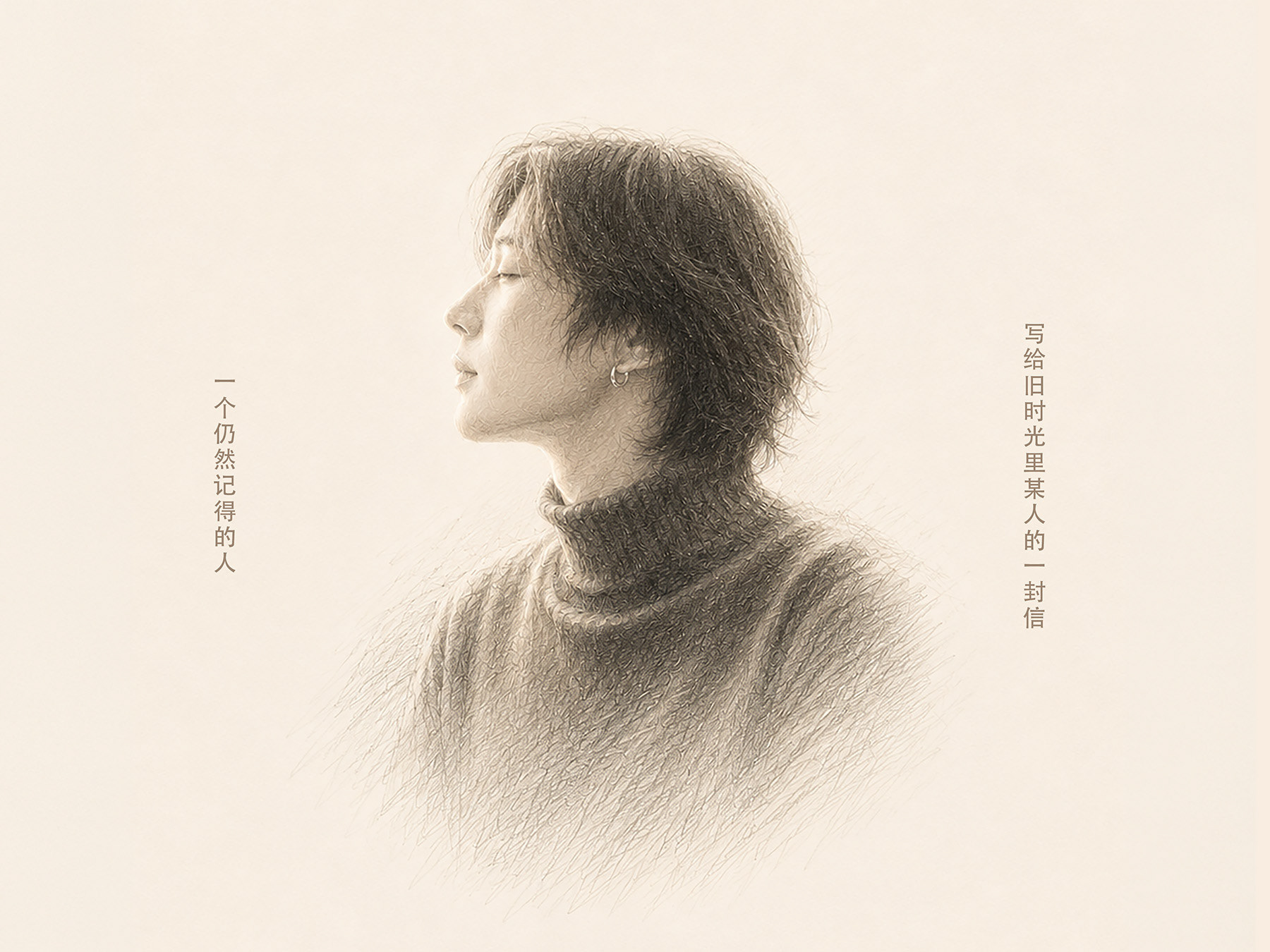
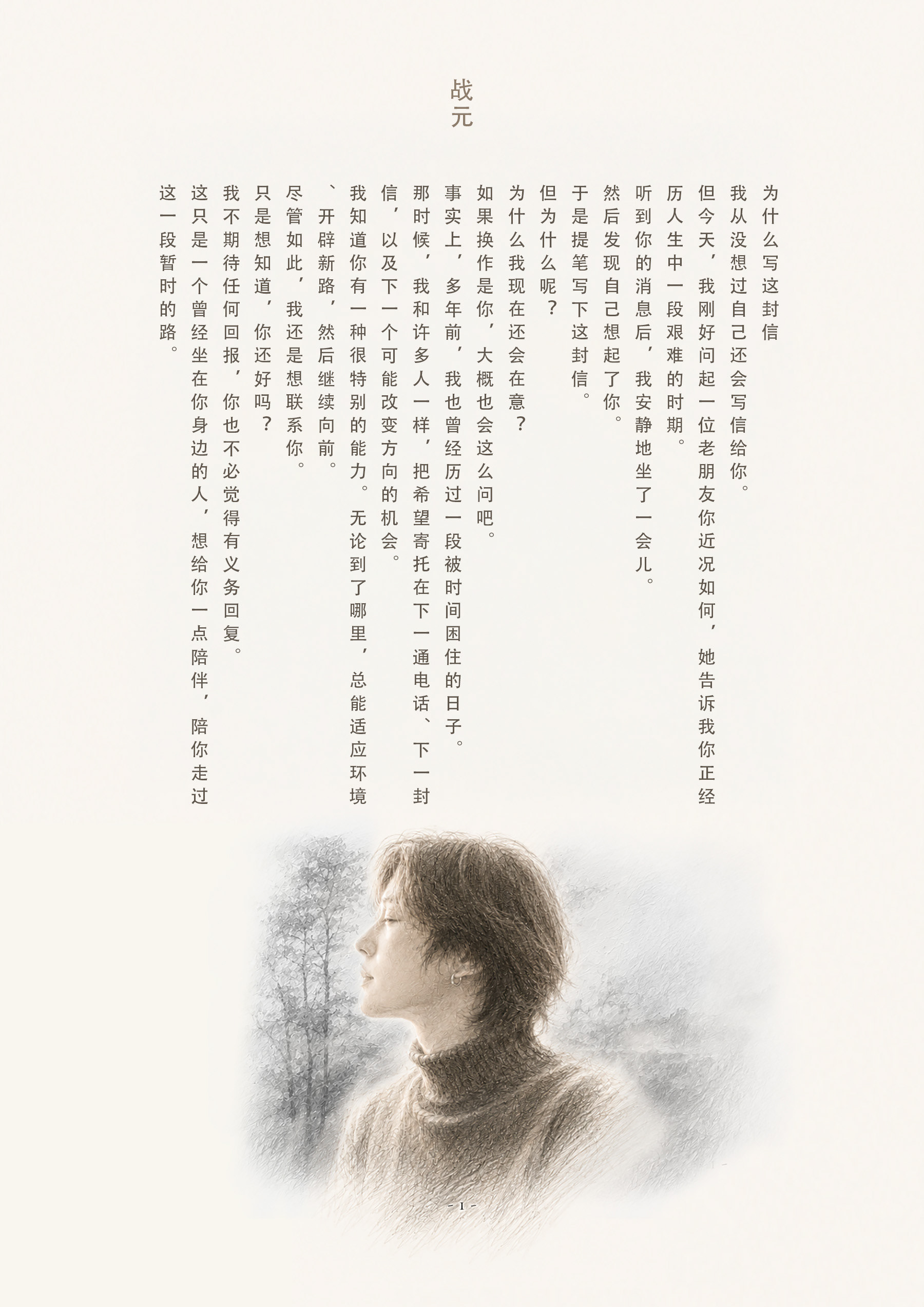
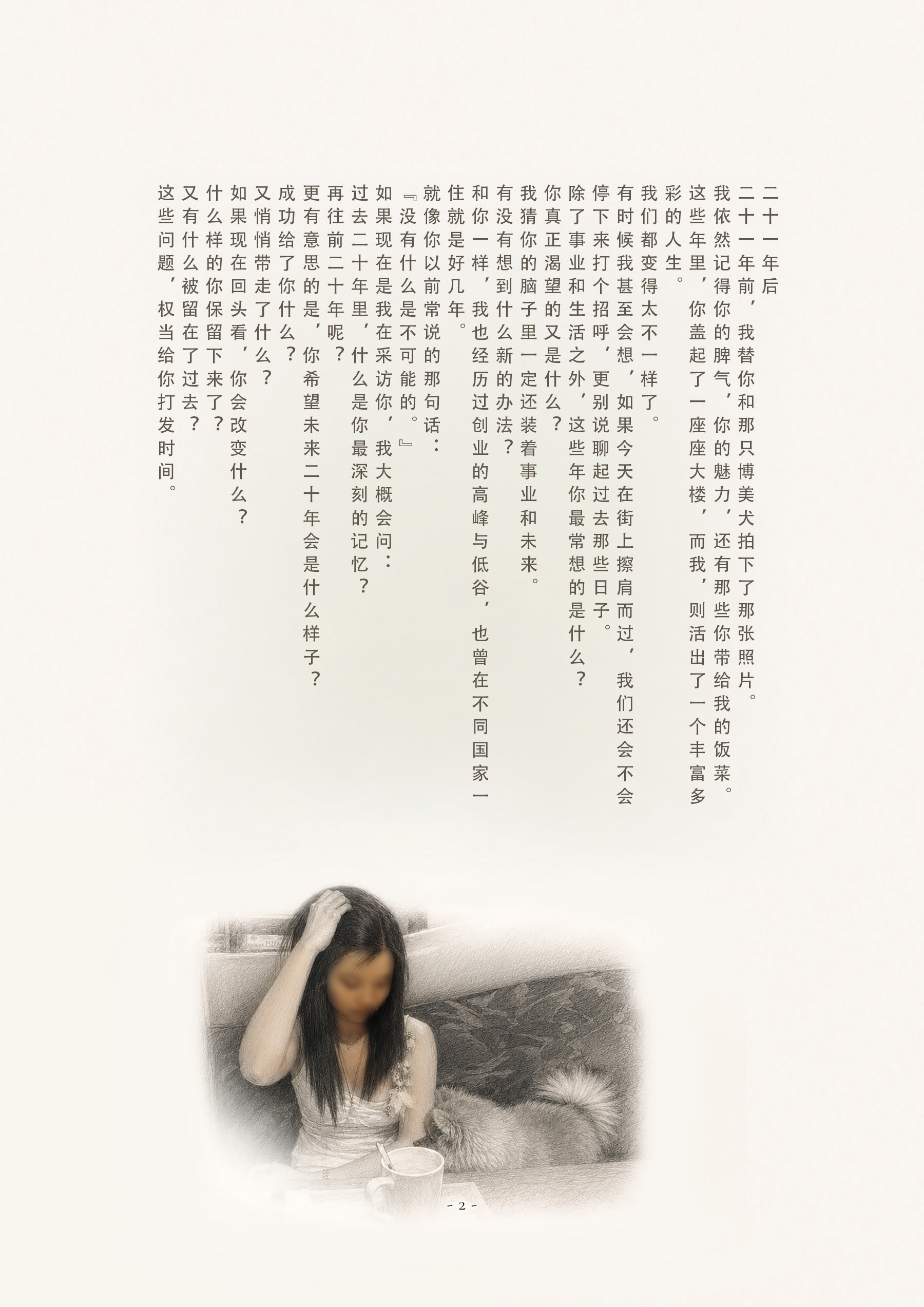
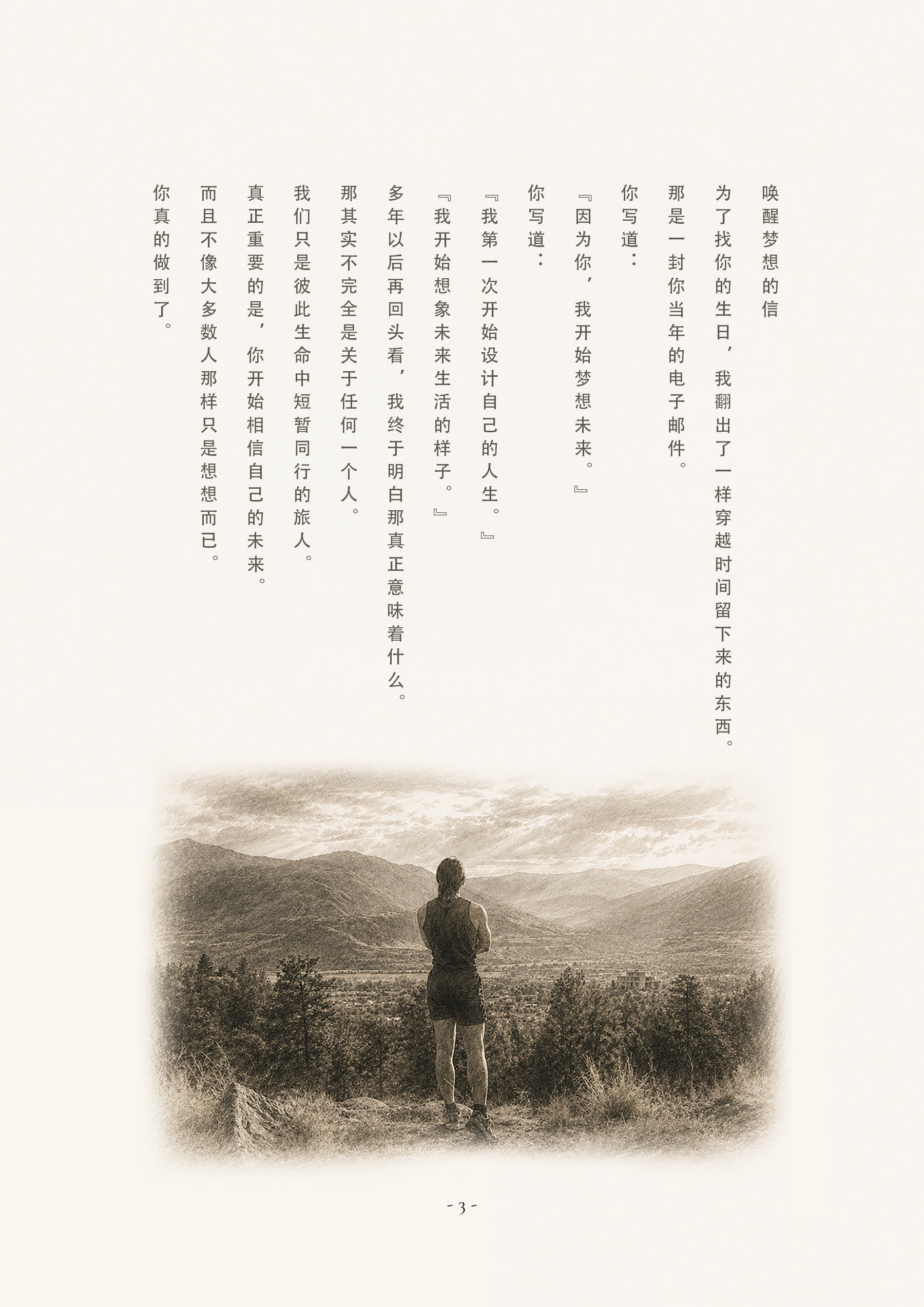
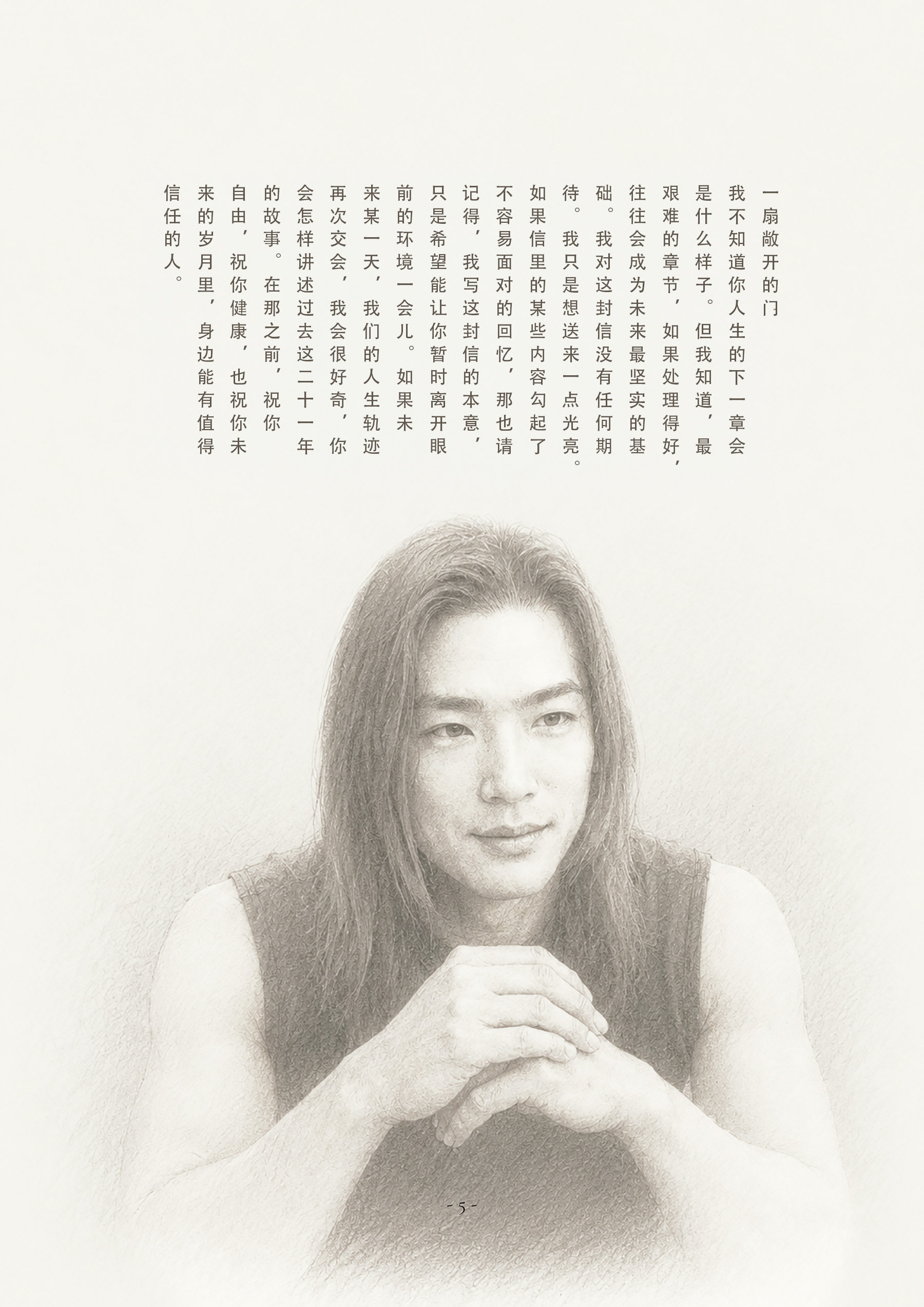
For this project, I chose not to use the original photograph. Instead, I recreated it as a graphite drawing.
A photograph records reality.
A drawing reconstructs it.
That distance softens certainty and leaves room for memory and imagination.
The letter was originally written in English but is presented here in traditional vertical Chinese typography—a language the recipient could read, set within a centuries-old tradition. The generous white space is intentional. I wanted silence to become part of the composition.
Over three days and more than one hundred revisions, nearly twelve hundred words became seven hundred. Every sentence had to earn its place.
Writing, like photography, is an act of subtraction.
If this letter leaves anything behind, I hope it is this:
Humanity is never measured by what another person returns to us. It is measured by what we choose to preserve within ourselves.
Its original destination no longer matters.
I am sending it again—this time to anyone willing to imagine themselves within it.
Its real destination is anyone who discovers that writing can become a way of understanding the past—not to recover it, but to make peace with it.
The Letters:
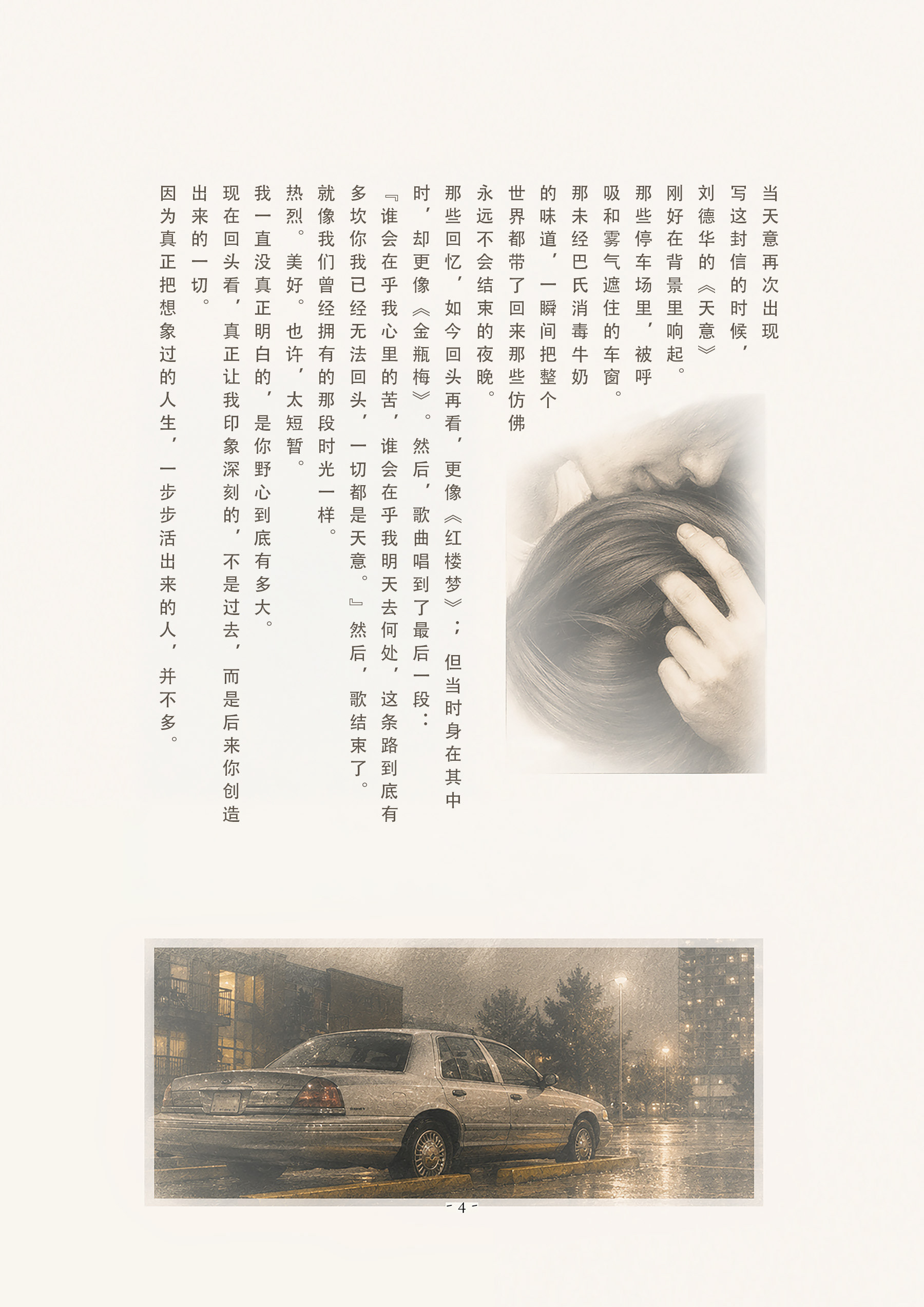
On Making the Work
Every finished work hides countless versions that never survive.
Paper asks for nothing more than light and eyes.
Perhaps that is why I chose to write a letter—not because letters belong to the past, but because they belong to the future.
Production Notes
Traditional Chinese typography set in Heiti SC.
Printed on 65 lb ivory cardstock with matching archival envelopes.
Creative Notes:
Chinese Typography: Heiti SC
Printed on 65 lb ivory cardstock and presented with matching archival envelopes.
© Zhan Yun. All rights reserved.